Miktysh Blog.
Your go-to source for everything records management, eDRMS, Office 365, TRIM/Content Manager, RecordPoint, AvePoint, and EncompaaS related.
34 Quick Tips for a Successful SharePoint Migration Plan

Over recent years, more organisations are making the move to cloud repositories such as SharePoint Online, to enjoy the flexibility and security such repositories offer to an organisation. However the journey from your legacy repository to SharePoint can be challenging, time consuming and costly. To what degree depends on the system you’re migrating from, the amount of information, and the actions you’ll take to improve the quality of your content/files/information along the way. We’ve developed some quick tips to consider as part of your SharePoint migration plan.
Tips for Your SharePoint Migration Plan
The Initial Planning Phase
| Do | Don’t | ||
 |
Garner executive support for your SharePoint migration project |  |
Just take a lift and shift approach with your content – assess your information architecture and consider ways to improve it |
|
Select and design an Office 365 collaboration space | |
Take a one-size-fits-all approach to your SharePoint migration plan |
|
Migrate teams one by one in a staggered approach | |
Assume that everything should be migrated |
|
Eliminate trivial, redundant and obsolete (ROT) information during the migration, clean up and organise content | |
Underestimate the time and effort it takes to plan and execute a migration |
|
Design site and information architecture in advance with input from users | |
Tackle a migration project without extensive pre-planning and in-depth knowledge of the system you’re migrating to and from |
|
Consider hiring a content migration specialist | |
Assume all metadata will be easily mapped. Consider how you’ll handle elements like versioning, renditions and annotations for example |
|
Forget to incorporate change management and SharePoint training into your planning | ||
After careful project planning, you’ll be ready begin the next stage of your SharePoint migration plan, which is the execution phase.
Executing Your SharePoint Migration Plan
| Do | Don’t | ||
|
Understand metadata to be migrated and how it will fit into SharePoint | |
Underestimate the amount of space needed |
|
Select and become proficient with a migration tool, such as Xillio | |
Underestimate the time needed to execute your SharePoint migration plan |
|
Conduct a pre-check or test migration before undertaking the full migration | |
Forget to have a plan B and back your files up in case the migration fails |
|
Set the migration window and follow through | |
Forget to test and validate the data to reconcile migration counts |
|
Add a collaboration space into the SharePoint navigation | |
Forget to report on the impact and results of the migration |
|
Make the source read-only or delete | |
Wait until after the migration to start teaching your team how to use SharePoint |
Post Migration Tips
| Do | Don’t | ||
|
Incorporate information governance processes | |
Forget to delete the source files after X months |
|
Understand change management and training will be required | |
Be afraid to replace custom solutions if they aren’t fulfilling their need |
|
Implement security, protection and retention controls | |
Underestimate the need for proactive change management and user training |
|
Consistently check in on your team in the following few weeks to ensure they have the support and training they require | |
Forget to provide organisation wide migration analytics to the executive team |
|
Automate business processes and workflows | ||
Data migration projects are anything but easy, and take a considerable amount of time to plan and execute. If you feel your organisation may be in over its head and could benefit from external expertise or you’d like a quote on outsourcing the migration, please get in touch with our team of migration experts. Find out more about our content migration services here.

Thien Nguyen
Technical Consultant
Thien is a technical consultant with an instrumental role in leading content and data migration projects, utilising our migration tool Xillio. Thien has expertise with SQL Servers, database and system administration.
Follow us on social

Data Migration Validation Best Practices
Ensure your data migration project goes smoothly, without any unplanned downtime, lost or corrupted data or compatibility issues. Read more here.
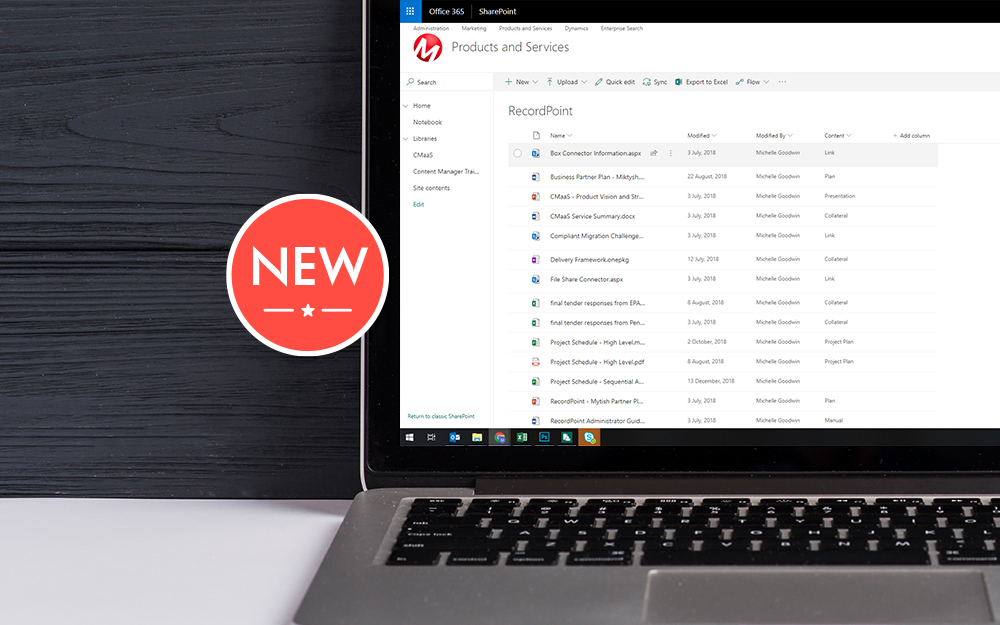
New SharePoint 2019 Features
Microsoft has released some handy new SharePoint 2019 features that are being released in February/March 2019. Let’s have a look.

Popular content.


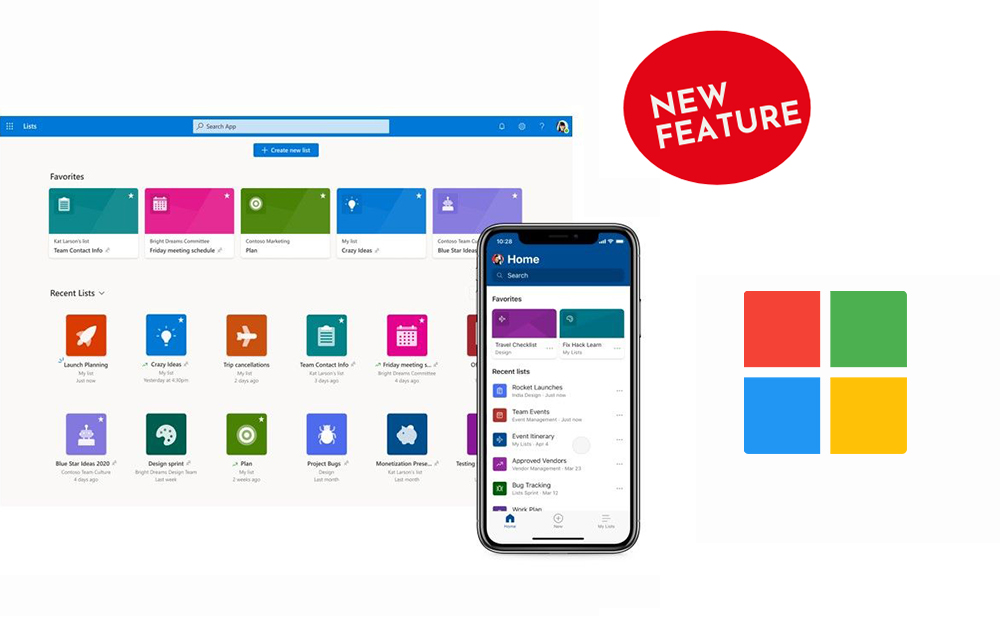




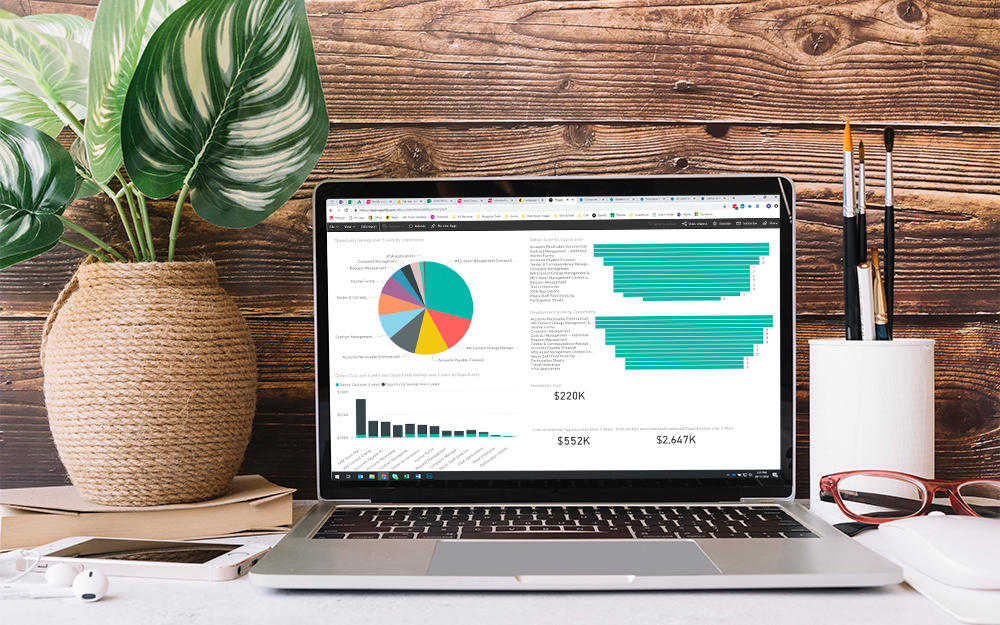
Analytics Driven Information Governance
14.07.2021

The New Normal Requires Zero Trust
27.06.2021


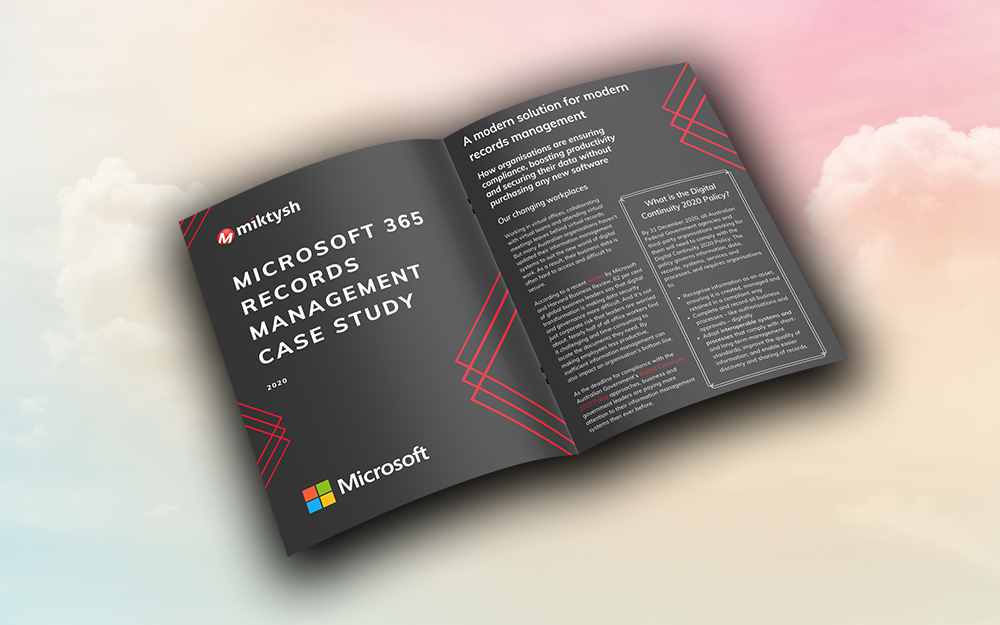
Microsoft 365 Records Management Whitepaper
06.11.2020







Micro Focus Launches Content Manager Select
28.05.2020

Content Manager SharePoint Integration Demo
20.05.2020






Top 7 Hidden Features in Microsoft Teams
11.02.2020


Integrate Content Manager with SharePoint
15.01.2020

Information Management Strategy Example
06.12.2019


How to Approach a Digital Transformation
13.11.2019


Top 5 Benefits of Migrating to Office 365
10.10.2019



Content Manager 9.4 Sneak Peek – Video Demo
02.09.2019







What Version of SharePoint is on Office 365?
27.06.2019



























New SharePoint 2019 Features
08.03.2019



Data Migration Validation Best Practices
08.02.2019














Cloud Governance – RIMPA Queensland Event
27.09.2018

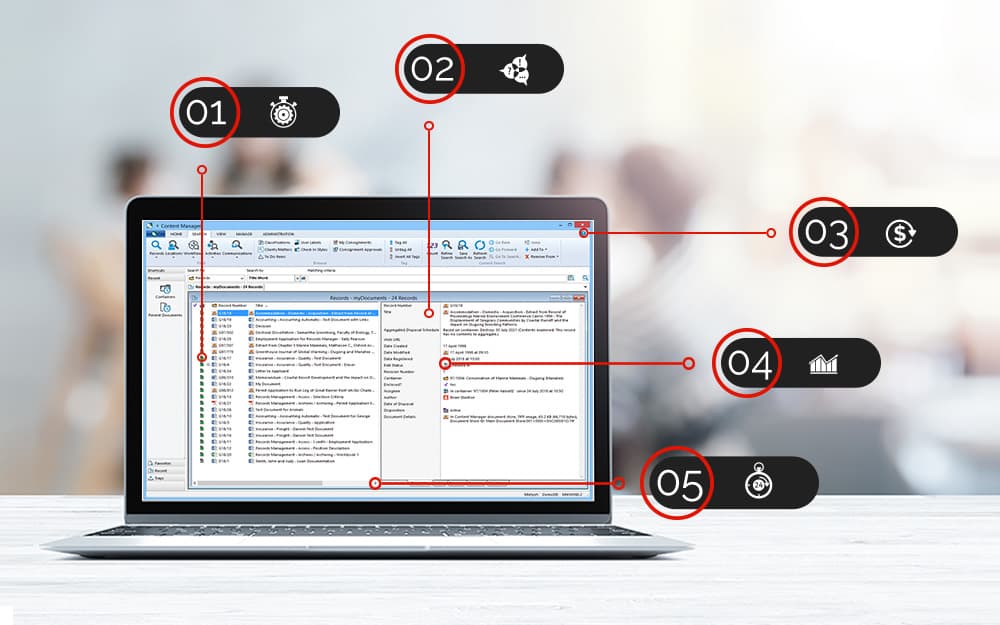









RecordPoint Records365 Demo
09.05.2018

How RecordPoint Enhances Office 365
09.05.2018


6 GDPR Tools to Assist with GDPR Compliance
17.04.2018

Analytics Driven Information Governance
14.07.2021
The New Normal Requires Zero Trust
27.06.2021
Microsoft 365 Records Management Whitepaper
06.11.2020
Micro Focus Launches Content Manager Select
28.05.2020
Content Manager SharePoint Integration Demo
20.05.2020
Top 7 Hidden Features in Microsoft Teams
11.02.2020
Integrate Content Manager with SharePoint
15.01.2020
Information Management Strategy Example
06.12.2019
How to Approach a Digital Transformation
13.11.2019
Top 5 Benefits of Migrating to Office 365
10.10.2019
Content Manager 9.4 Sneak Peek – Video Demo
02.09.2019
What Version of SharePoint is on Office 365?
27.06.2019
New SharePoint 2019 Features
08.03.2019
Data Migration Validation Best Practices
08.02.2019
Cloud Governance – RIMPA Queensland Event
27.09.2018
RecordPoint Records365 Demo
09.05.2018
How RecordPoint Enhances Office 365
09.05.2018
6 GDPR Tools to Assist with GDPR Compliance
17.04.2018
Follow us.
Stay in touch.
Australia wide.